The Grakliani Grakliani Experience
Excavations in Georgia
Hands-on archaeology in the Caucasus
Georgia has captivated us
Fascinating archaeology combined with the boundless hospitality of a proud people – Georgia offers archaeological and cultural experiences that you would search for in vain elsewhere.
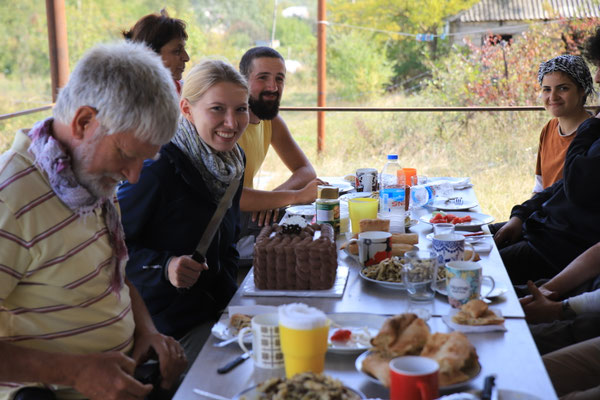
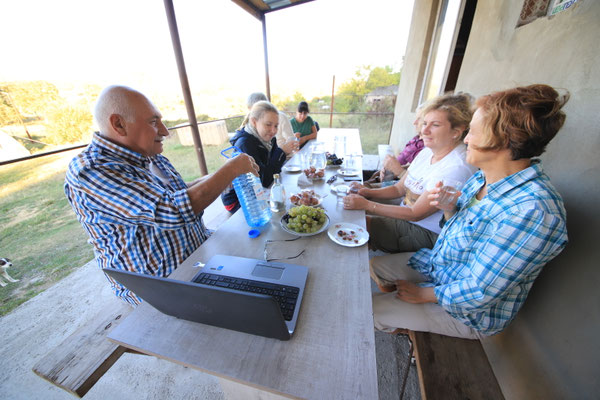
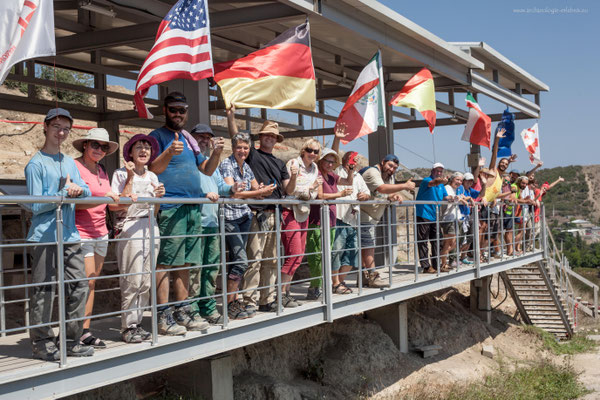
Our first day at this international excavation is over. We are invited to a debriefing that will remain an unforgettable experience for everyone. In the Georgian team’s quarters, we take our seats in modest surroundings at a long table, laid with glasses and an incredible amount of delicious watermelon – exactly what one needs after a hot day’s digging. Three words remain etched in our memory: Gaumardjos – cheers; Gagimardjos – to your personal well-being; and Chacha – the name of the Georgian national drink, a kind of grappa.
The ice had been broken; we were part of the team, and some wonderful days lay ahead of us in this still very young nation, with a special history stretching back thousands of years, the traces of which we are following.


Upcoming Hands-on-Archaeology Courses
Upcoming events 2026:
SUN 16th - TUE 25th of August 2026
Course fee per Person:
from 6 to max. 8 persons € 1.590,-
NOT included in the course fee:
- Individual transfer to Georgia (Tbilisi Airport)
- Accommodation (We stay in Hotel Aragvi in Mzcheta. Room reservations are made by us, but paid individually upon arrival in the Hotel)
- Catering
Included in the course fee:
An intensive archaeological training programme, comprising:
- Participation in the excavation at Grakliani Hill
- Training on the project and on excavations in general, as well as various archaeological methods
- A two-day excursion to historical and prehistoric sites (Tbilisi with the National Museum, Gori Museum, Uplistsikhe Cave-ssettlement – depending on the group participants’ experience of Georgia. Any entrance fees are to be paid separately.)
- Support from the association’s archaeologists and the local Georgian team
- All local transport (Airport transfer is possible, depending on the arrival time of your flight)
- All necessary tools
- Assistance with course preparation (travel, accommodation)
Programme leaders:
Prof. Dr. Vakhtang Licheli (Uni Tbilisi)
Florian Mauthner (Erlebnis Archäologie)
A short video about the site
In this interview, the director of the excavation, Prof. Vakhtang Licheli, tells us about the history and significance of his most important project at Grakliani Hill.
Bisherige Grabungsergebnisse
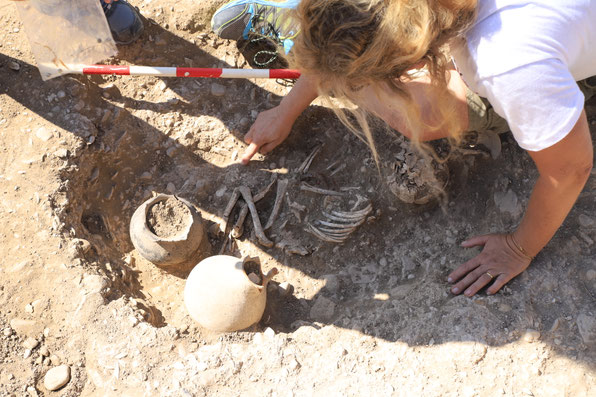
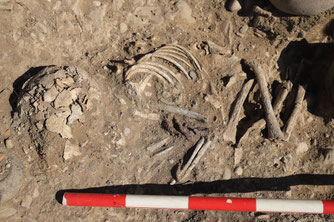
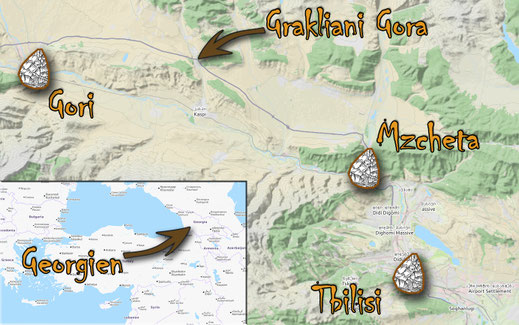
The settlements and necropolises on and around Grakliani Hill are situated about an hour’s drive north-east of the Georgian capital, Tbilisi, near the village of Samtavisi-Igoeti, at an altitude of approximately 680 metres above sea level. In 2008, emergency excavations were carried out at the foot of the hill as part of a motorway expansion project. The findings were highly surprising and significant for research into the earliest urban developments, not only in Georgia but for the entire Caucasus and its connections to Anatolia and Iran.
Following the completion of the rescue excavations, Prof. Dr. Vakthang Licheli, who teaches archaeology at Tbilisi State University, decided to expand the project, as he was convinced of the supra-regional significance of the findings. Since then, new and outstanding results have been uncovered every year, leading to investment in the construction of a local museum.
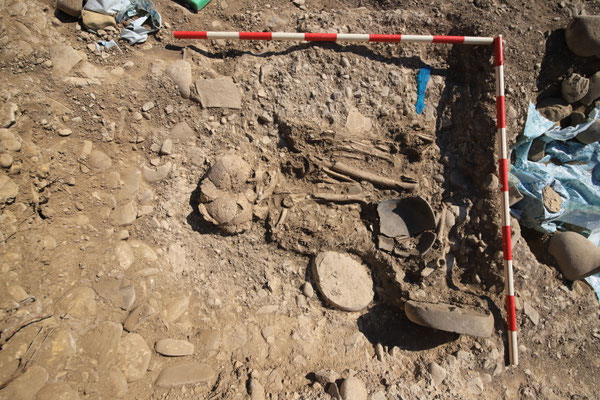
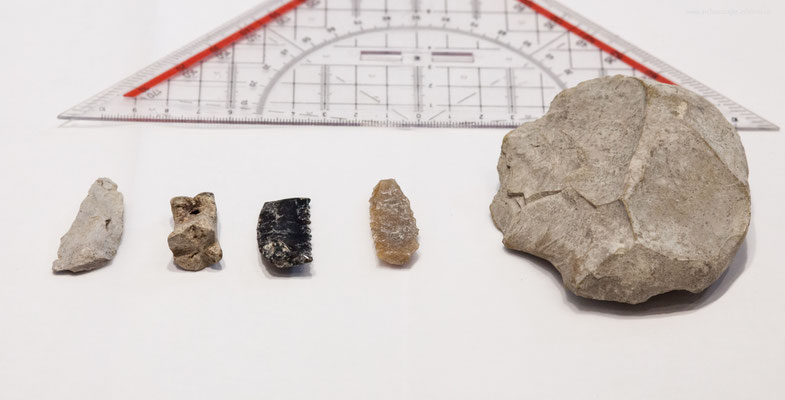
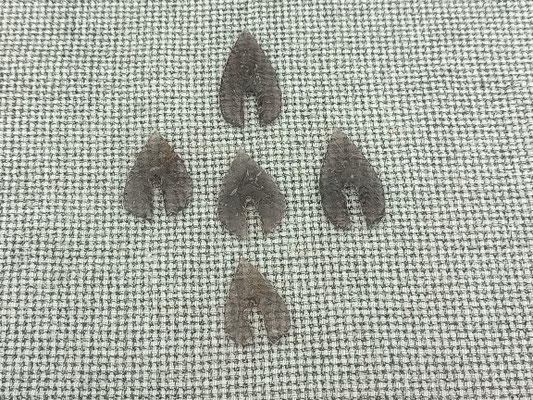
The excavations revealed that the eastern slope and the necropolis were inhabited from the Copper Age – that is, the Late Neolithic – until the end of the Hellenistic period, although numerous artefacts from the Middle Palaeolithic – dating back more than 40,000 years – have also been discovered on Grakliani Hill, though not yet in situ. The oldest artefacts from the first settlement phase, dating to the 7th millennium BC, include spearheads, arrowheads and sickle blades made of flint, bone tools and pottery fragments.
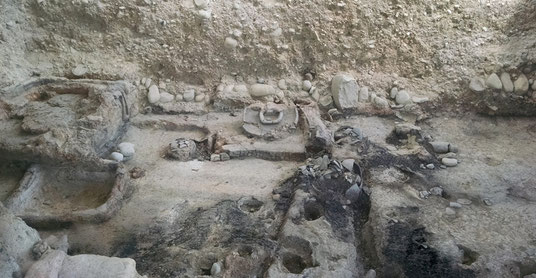
The next clearly identifiable settlement phase dates to the Late Bronze Age or the beginning of the Early Iron Age, from the 12th to the 10th century BC. Several shrines from this period have been excavated. One of them contained a monumental altar in the northern part of the building, constructed from mud-brick walls with partially preserved wooden substructures and a rammed-earth floor. Interestingly, the altar is situated in the very spot where the bread oven would normally have been built in residential buildings. Next to the altar, vessels containing offerings were deposited; these could be dated to the 11th–10th centuries BC and included, among other things, a cylindrical Mesopotamian seal.
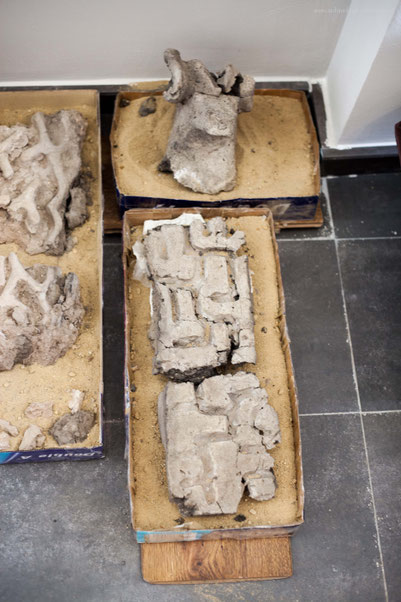
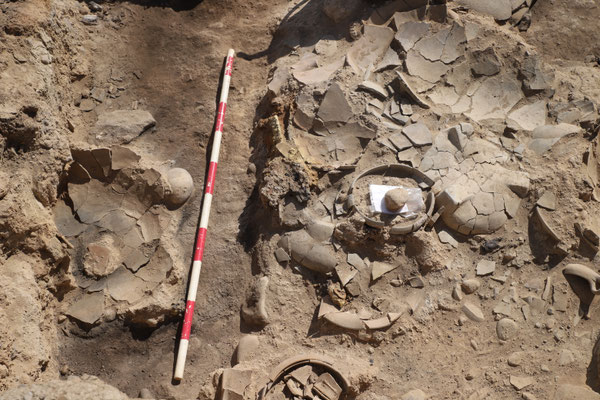
Another unique altar was found not far from there, the main feature of which is a circular clay hearth with a protome of an ibex. Numerous vessels containing offerings were placed around it and were found in situ. The site is thought to date from the 13th–12th centuries BC.
The number of finds and archaeological features from the Iron Age, dating from the 8th to 6th centuries BC, is above average. Numerous dwellings and houses have been documented to date. These are generally built into the hillside, resulting in a terraced layout of the settlement. In the north-western corner of these mostly square buildings is a baking oven with two ash pits and a platform on which vessels have repeatedly been found. These structures are associated with the fire cult of Zarathustra.
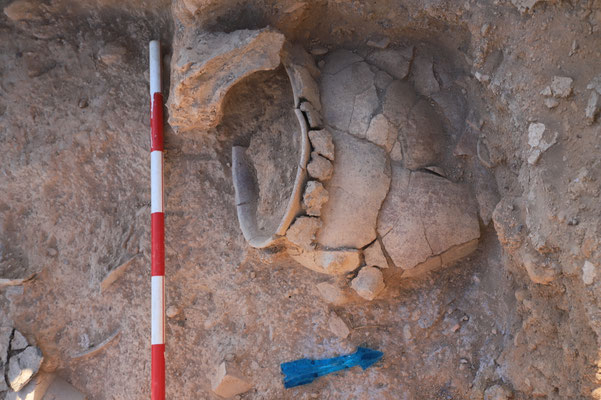
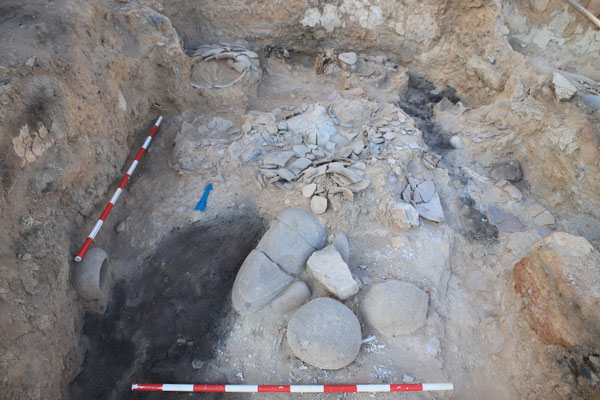
Remains of a building complex dating from the Late Iron Age, around 450–350 BC, have been found, consisting of three storage rooms and three main rooms, the dimensions of which could be clearly identified from the surrounding post holes. A large roof protected this building, which is an outstanding example of the complex planning of multifunctional structures in the Caucasus region. The three main rooms follow a similar layout: against the west wall, a clay platform has been constructed on which vessels could be stored. One vessel, crushed by the collapse of the roof, contained grain. Furthermore, a centrally located table or a smoothed storage surface, also constructed of clay, was found in each room. On the north-east side of each room is a hearth, proportionate to the relative size of the room.

During the 2015 excavation, the oldest inscription ever found in Georgia was discovered. The base of an altar, believed to have been dedicated to a fertility goddess, is decorated with an inscription in an unknown alphabet, moulded from clay. The characters appear to bear similarities to Ancient Greek, Aramaic and early Semitic scripts.
‘The discovery is very likely to change Georgian history and will seriously attract international interest.’ - Mikheil Giorgadze, Minister of Culture of Georgia
Older temples, altars and sacred ovens from Grakliani are associated with the Zoroastrian cult. Archaeological finds indicate a connection to the Persian region.
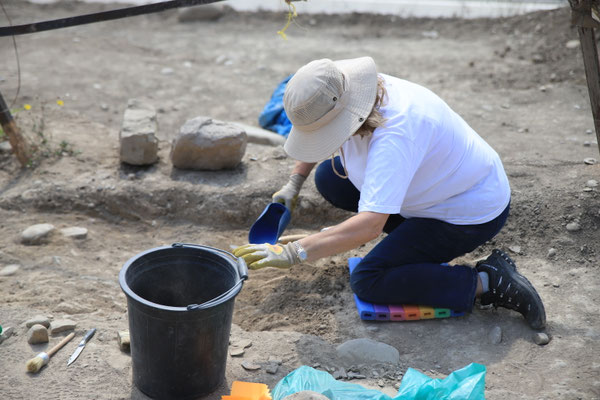
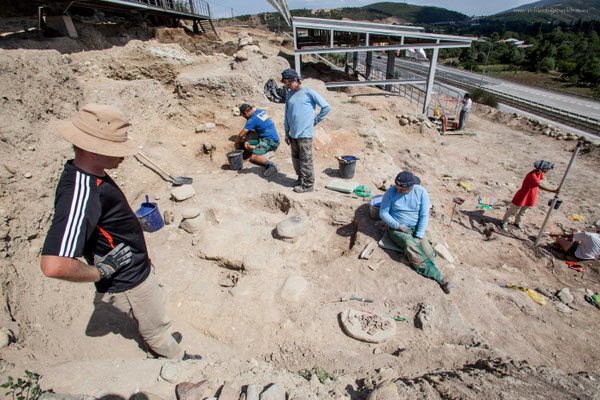
In 2026, we will be able to continue our work at various settlement terraces and the burial ground on the plateau of Grakliani Hill. There is an opportunity to participate in excavations at both Bronze Age and Iron Age settlement sites. Supervision, guidance and assistance with the work will be provided by archaeologists from the Erlebnis Archäologie association.
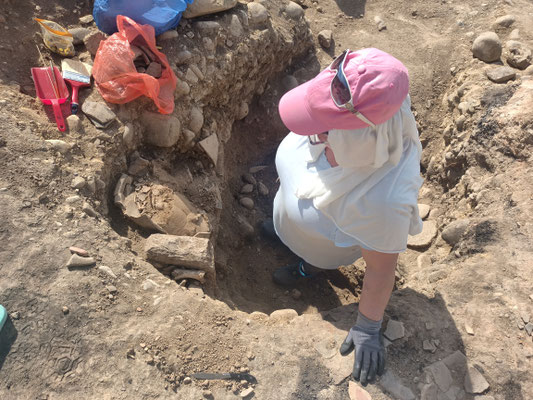
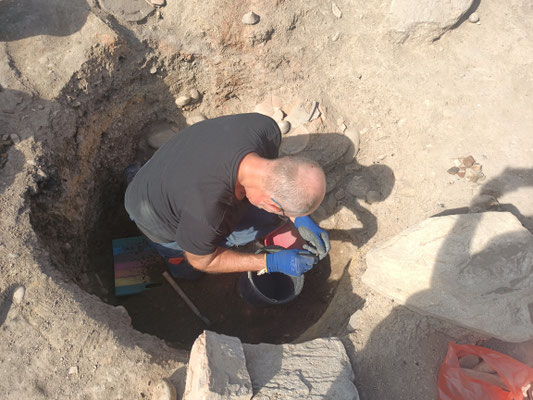
Impressions from the 2022 Project


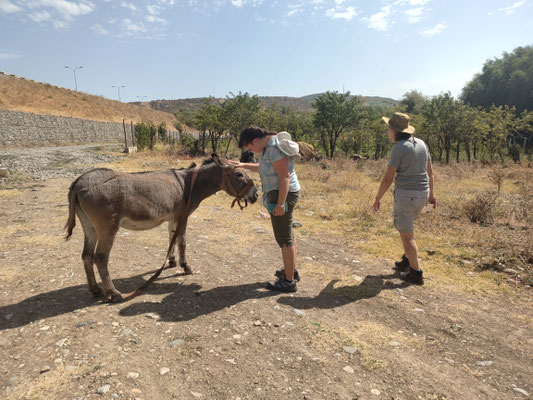
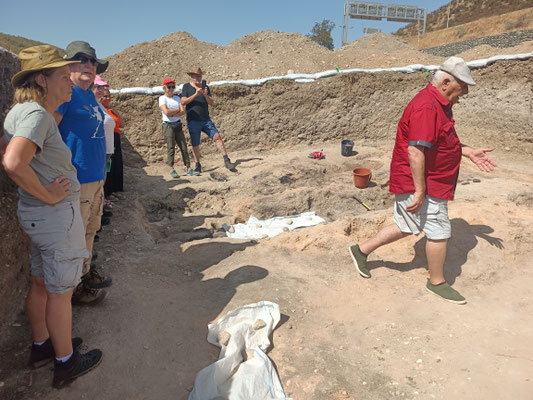

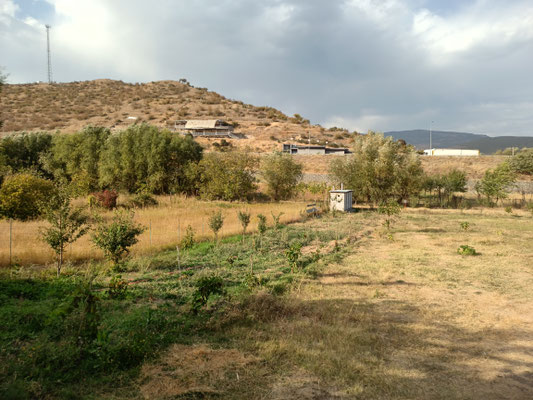
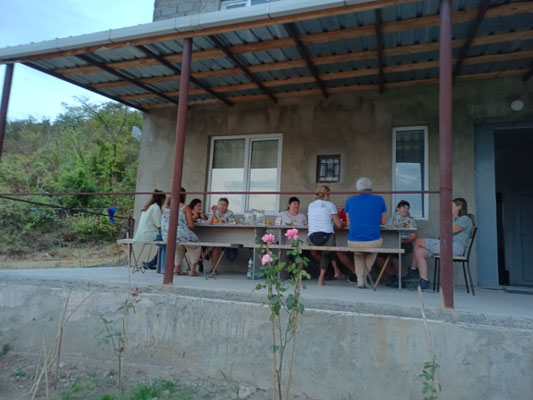

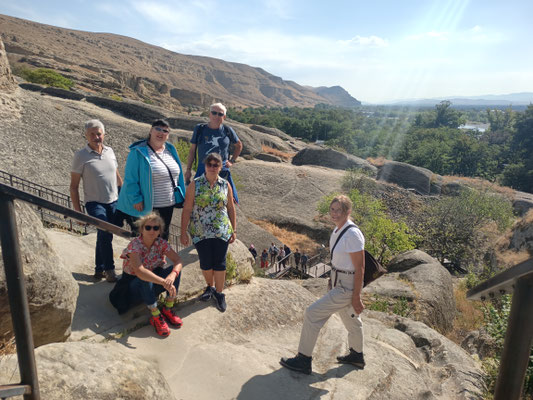
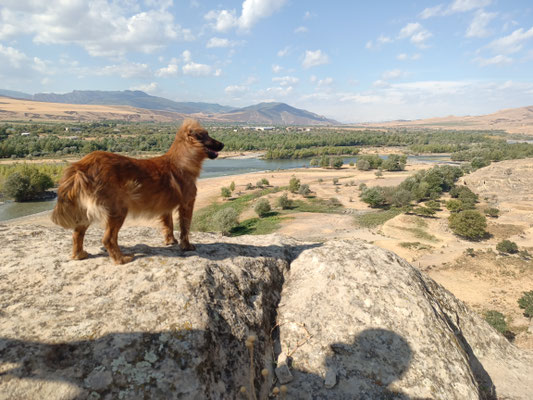
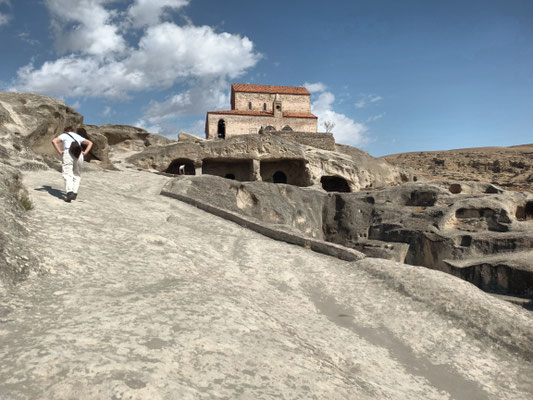
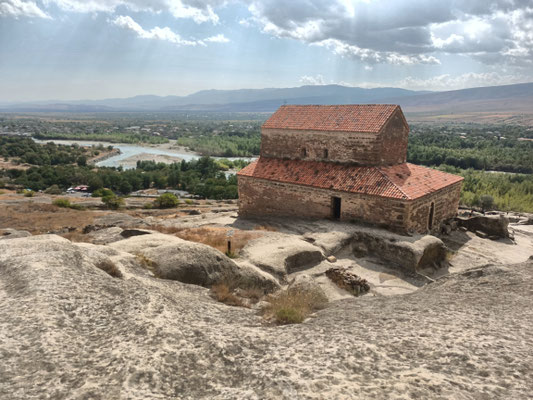

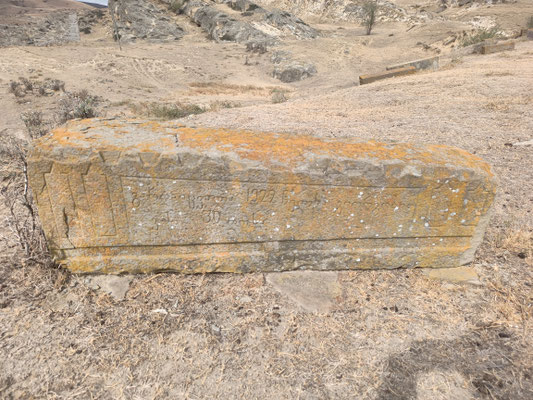
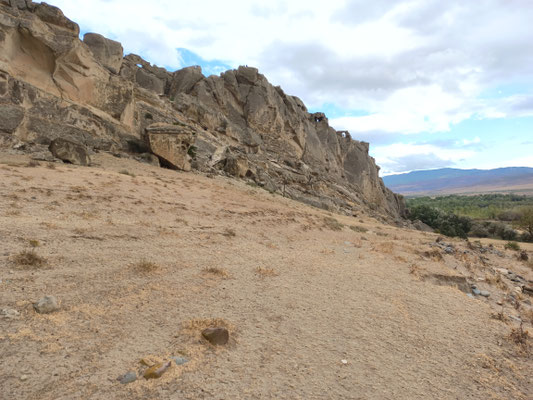
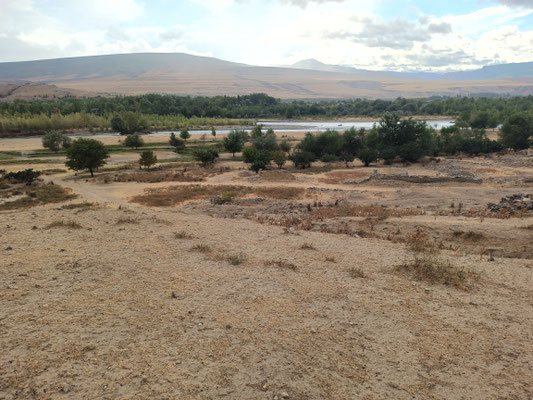
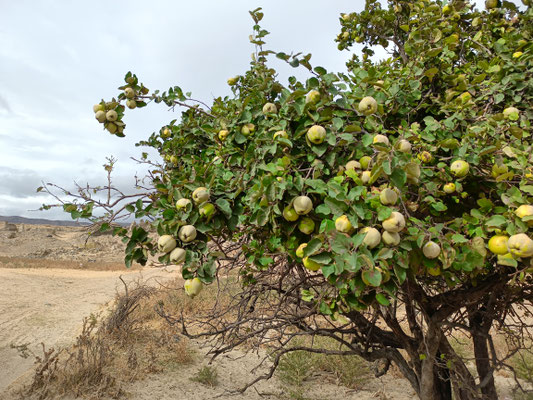
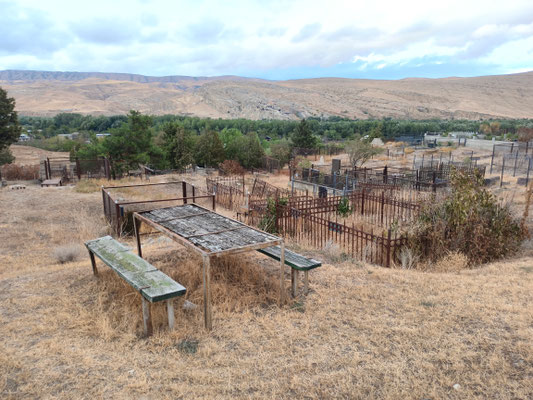
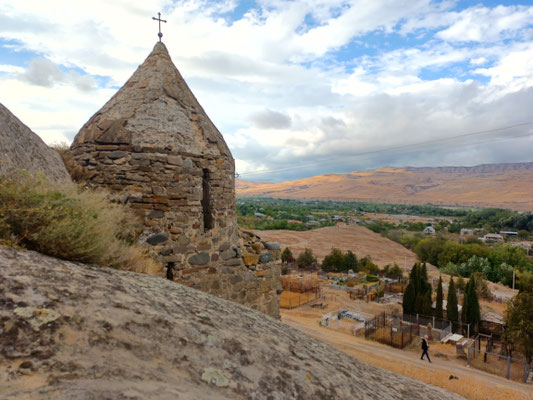
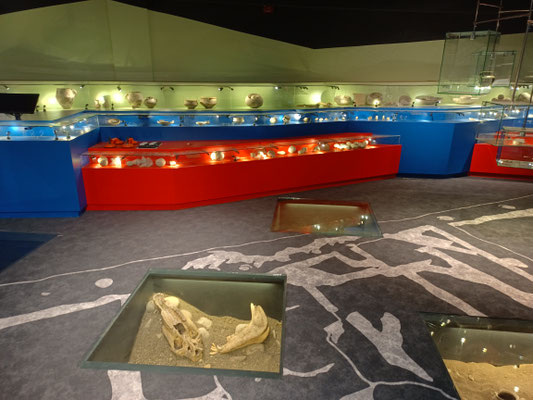
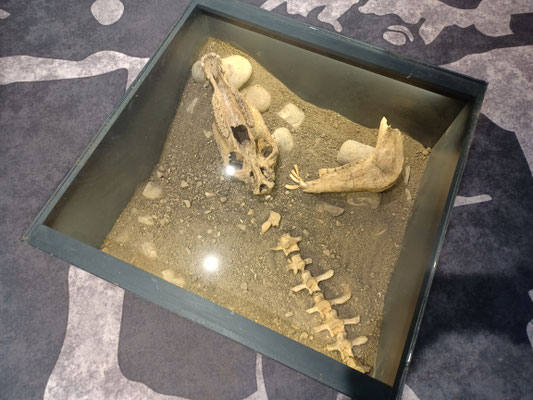
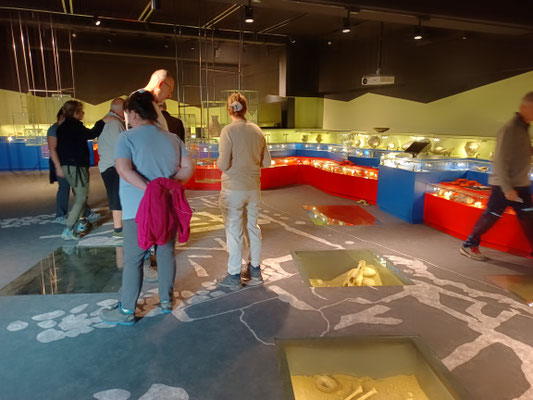
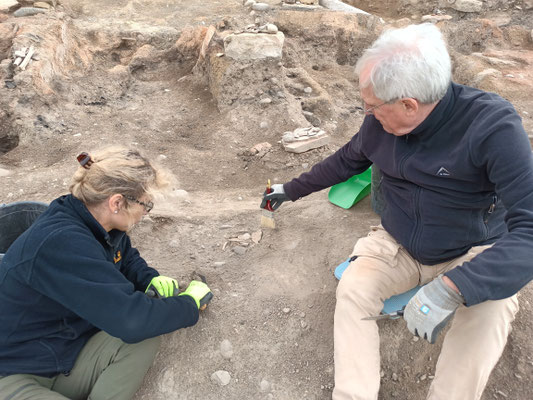

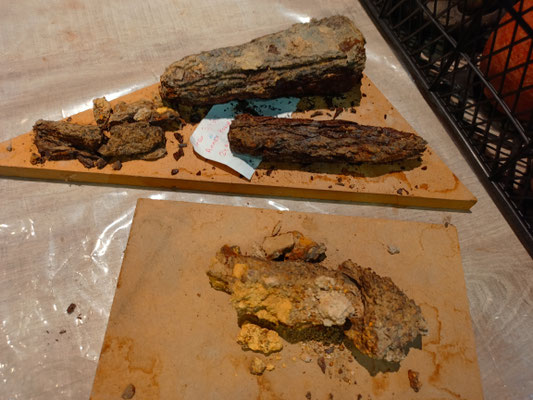

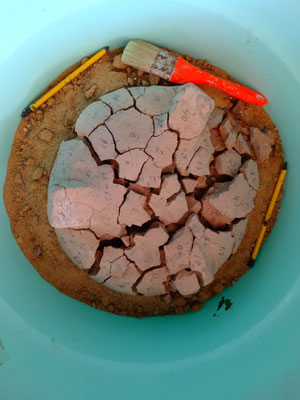

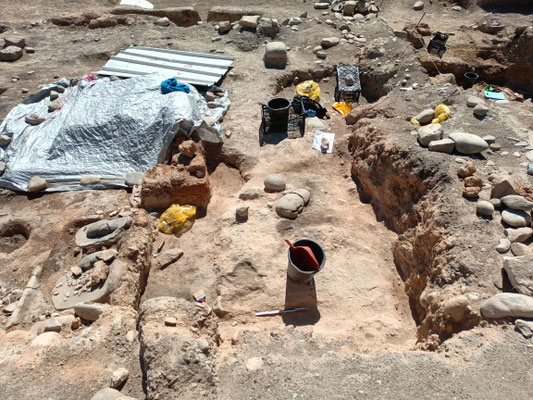
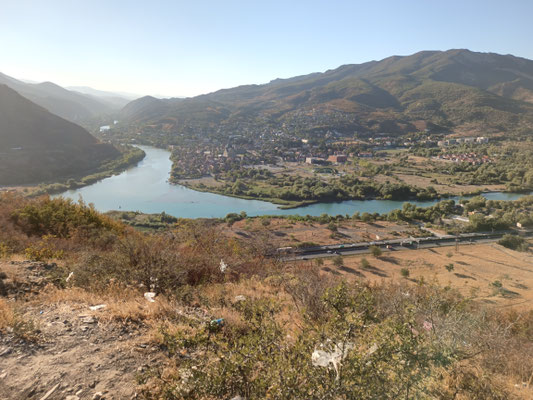

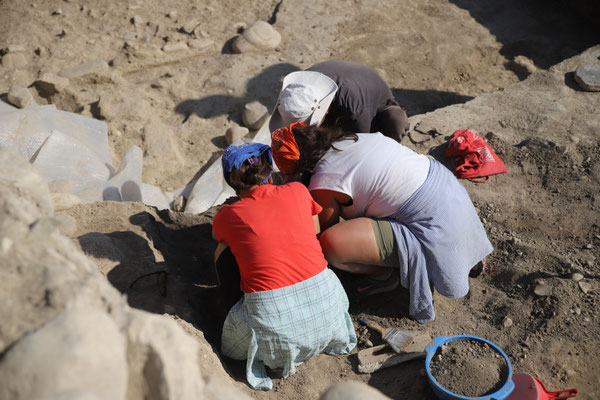
Impressions from 2021
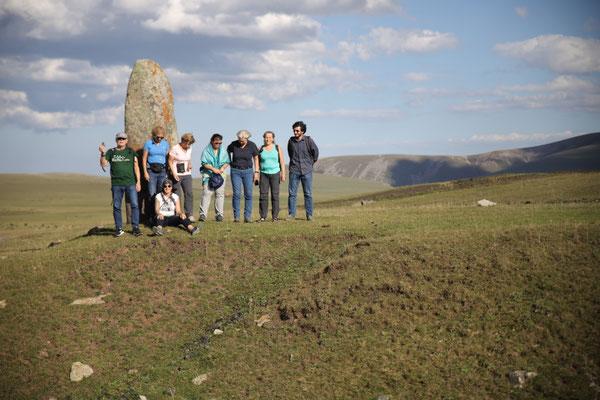
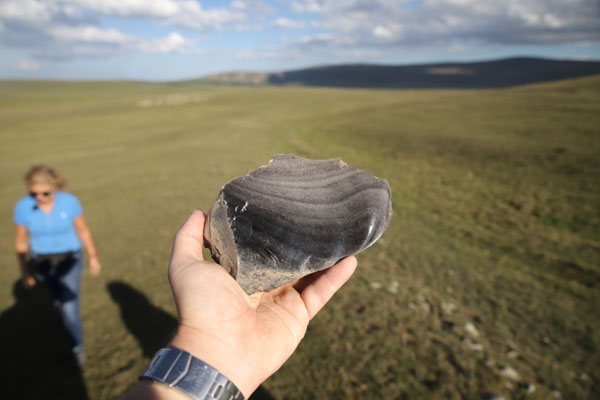
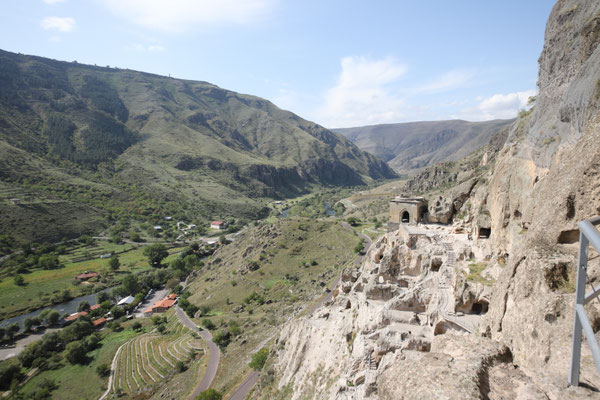
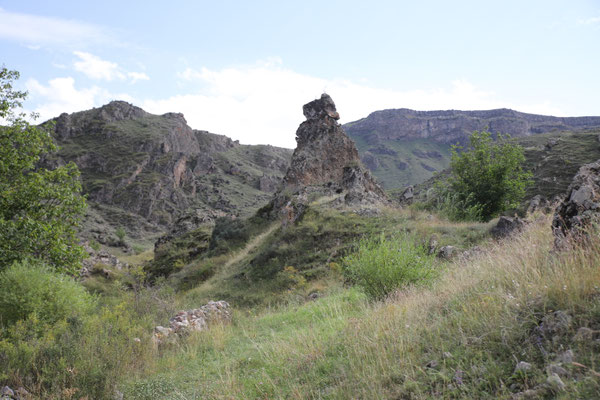
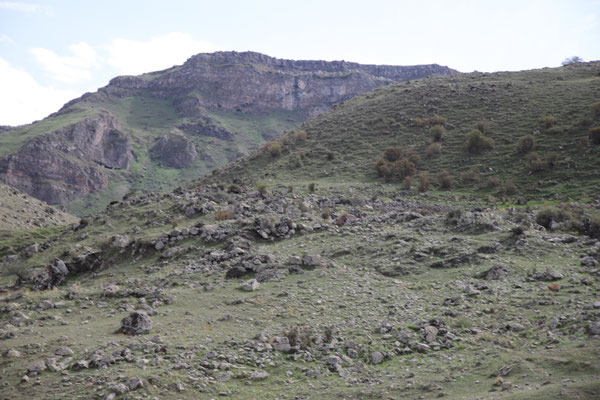
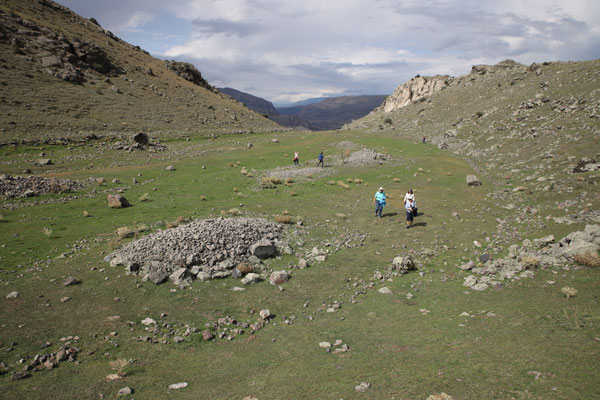
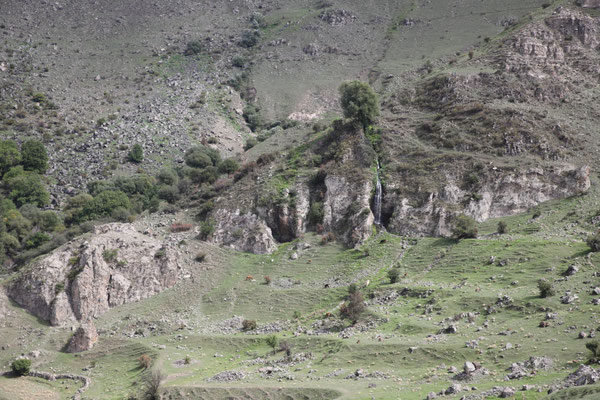
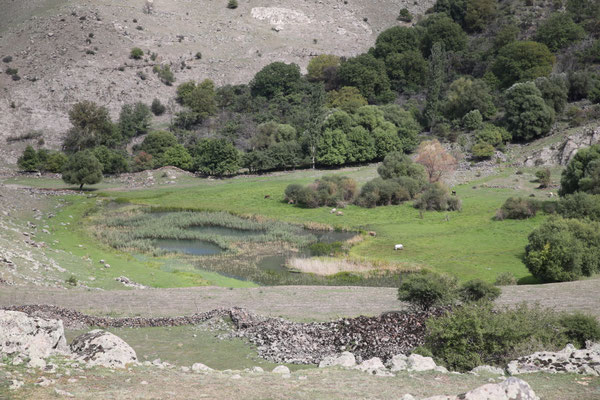
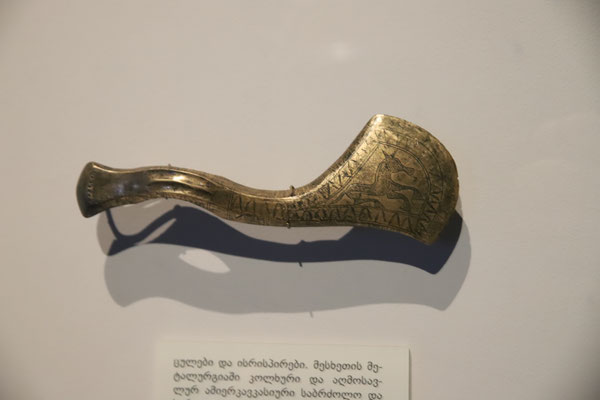
Excavation and excursion to the lesser caucasus






Impressions from 2019
Excavation and excursion to Tblisi